
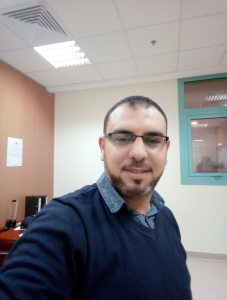
Dr Nouh Sabri Elmitwally
Affiliation: University of Surrey, United Kingdom
Title: Unlocking the Future: Multimodal AI and Generative Models in Action
Abstract: This presentation will delve into the transformative power of Multimodal AI and Large Language Models (LLMs) in building smarter, more intuitive systems. We will explore how combining diverse data modalities enhances AI’s understanding and robustness, moving beyond traditional AI limitations. Drawing from real-world research, we will showcase practical applications including advanced customer assistance chatbots and innovative energy profiling for smart buildings, demonstrating how these technologies are actively shaping user experience and operational efficiency today.
Biography: Dr Nouh Sabri Elmitwally is a distinguished scholar in Data Science, with extensive experience across academia and industry. He holds an MSc in Computer Science from Cairo University and a PhD in Computer Science from the University of Surrey, United Kingdom (2014). Dr Elmitwally’s expertise lies in Applied Artificial Intelligence for energy-efficient systems, with research interests spanning Data Science, Big Data, Machine Learning, Deep Learning, Large Language Models, and Generative AI. He has led and contributed to numerous research studies in energy efficiency and has published widely in renowned international journals and conferences.

Dr. Muhammad Adnan Khan
Affiliation: Gachon University, Republic of Korea Horizon University College, Ajman, United Arab Emirates.
Title: Dynamic Applications of Weighted Federated Machine Learning in Smart City Environments
Abstract: Federated learning, often referred to as collaborative learning, is an innovative machine learning approach that enables AI model training without exposing or sharing individual data. This technique trains an algorithm across numerous decentralized edge devices or servers, each holding localized data samples, all while avoiding the need to transfer these data samples between devices. To address the challenges associated with federated learning, Weighted Federated Machine Learning (WFML) employs a centralized aggregate server to distribute a global learning model. In this session, we will explore multiple applications of WFML, such as its use in predicting hydrogen storage and enhancing healthcare systems within the context of smart cities.
Hydrogen Storage Prediction: In the context of smart cities, weighted federated machine learning proves instrumental in optimizing hydrogen storage, ensuring a stable and sustainable energy supply. Through real-time data aggregation and analysis, weighted federated machine learning enhances the accuracy of hydrogen storage predictions, enabling efficient utilization of clean energy resources in urban areas. By leveraging federated learning techniques with weighted models, smart city planners can anticipate hydrogen storage requirements, contributing to the advancement of clean energy infrastructure.
Healthcare 5.0: The healthcare sector within smart cities benefits immensely from dynamic, weighted federated machine learning, offering personalized and responsive medical services. Incorporating real-time patient data from diverse sources, weighted federated machine learning empowers healthcare professionals to make timely decisions and deliver precision medicine. The application of weighted federated machine learning in healthcare fosters proactive disease monitoring, enabling smart cities to enhance public health initiatives and resource allocation.
Biography: MUHAMMAD ADNAN KHAN (Senior Member, IEEE) received the B.S. and M.S. degrees from the International Islamic University, Islamabad, Pakistan, by obtaining a scholarship award from the Punjab Information & Technology Board, Government of Punjab, Pakistan, and the Ph.D. degree from ISRA University, Islamabad, by obtaining a scholarship award from the Higher Education Commission, Islamabad, in 2016. He is currently a Research Professor with the School of Software, Faculty of Artificial Intelligence and Software, Gachon University, Seongnam-si, Republic of Korea, and an Associate Professor at the School of Computing, Horizon University College, Ajman, United Arab Emirates. Before joining the above-mentioned universities, he had worked in various academic and industrial roles in Pakistan, the United Arab Emirates, and the Republic of Korea. He has been teaching graduate and undergraduate students in computer science and engineering for the past 16 years. Currently, he is guiding five Ph.D. scholars and six M.Phil. scholars. He has published more than 300 research articles with a cumulative JCR-IF of more than 1100 in reputed international journals and international conferences. He received the University Best Researcher Award in 2018, 2019, 2020, 2022, and 2023. According to studies conducted by Stanford University in 2023, 2024, and 2025, released by Elsevier, he is among the top 2% of impactful researchers in the world. He also serves as an Editorial Member of high-impact journals, such as IEEE Transactions on Neural Networks and Learning Systems, Computational Intelligence and Neurosciences, Intelligence and Robotics, and Algorithms, etc., and takes on roles like the general chair, the co-chair, and a speaker of conferences and workshops to promote knowledge sharing and learning within academic and societal realms. His research interests include computational intelligence, machine learning, MUD, image processing and medical diagnosis, and channel estimation in multi-carrier communication systems using soft computing.

Dr. Farhan Ullah
Affiliation: Prince Mohammad Bin Fahd University, Saudi Arabia
Title: Metaheuristic-Driven Optimization Approaches to Strengthen Cybersecurity and Intrusion Detection
Abstract: The convergence of intelligent technologies such as the Internet of Things (IoT), Internet of Vehicles (IoV), Internet of Unmanned Aerial Vehicles (IoUAVs), and smart power grids has transformed modern infrastructures into highly interconnected ecosystems. This integration enables real-time data exchange, automation, and improved efficiency across sectors such as transportation, energy, and critical infrastructure. However, the rapid growth of these systems has also introduced complex cybersecurity challenges, exposing them to evolving threats that can disrupt essential services and compromise data integrity. This seminar explores the role of metaheuristic-driven optimization approaches in strengthening cybersecurity and enhancing intrusion detection within these environments. Metaheuristic algorithms such as Particle Swarm Optimization, Genetic Algorithms, and Grey Wolf Optimization are presented as effective tools for optimizing resource allocation, feature selection, and model parameters in distributed and dynamic settings. When combined with advanced deep learning frameworks, including Deep Transfer Learning, Convolutional Neural Networks, and ensemble models, these methods enable faster learning, adaptive decision-making, and robust detection of malicious activities. The seminar further discusses their application across diverse domains, including edge-based intrusion detection in IoUAV systems, secure task management in multi-access edge computing, hybrid learning in IoV environments, and explainable feature selection for smart power grids. Together, these approaches highlight how metaheuristic optimization provides an intelligent and scalable foundation for developing resilient cybersecurity solutions capable of safeguarding next-generation cyber-physical systems against increasingly sophisticated threats.
Biography: Farhan Ullah received his Ph.D. in computer science from Sichuan University, China, and is currently an Associate Research Professor at the Cybersecurity Center of Prince Mohammad Bin Fahd University, Saudi Arabia. He has previously held positions as Associate Professor at Northwestern Polytechnical University, China, visiting research fellow at the University of Camerino, Italy, and lecturer at COMSATS University Islamabad, Pakistan. He has been listed as a top 2% researcher in a ranking by Stanford University and Elsevier for the years 2023, 2024, and 2025. He has received various awards for his research and teaching excellence. He has also been invited as a keynote speaker and has delivered courses at international conferences and summer schools. He had the privilege of contributing as a guest editor and engaging in editorial work for renowned journals such as the IEEE Journal of Biomedical and Health Informatics, KSII Transactions, Engineering Reports (Wiley), etc. He has supervised several undergraduate and graduate students and served as a foreign thesis examiner for Ph.D. thesis. His work has been published in reputable journals, including IEEE, Elsevier, Springer, and Wiley. His primary research areas include cybersecurity, malware analysis, data science, deep learning, and explainable AI (XAI).

Dr. Muhammad Asghar Khan
Affiliation: Prince Mohammad Bin Fahd University, Saudi Arabia
Title: Advancements in Drone/UAV Technologies: From Network Architectures to Real-World Applications
Abstract: This presentation delves into the evolving landscape of Drone and Unmanned Aerial Vehicle (UAV) technologies, emphasizing their integration into modern communication networks. It explores the development of robust network architectures, the implementation of advanced security frameworks, and the innovative applications of UAVs across various sectors. By examining current research and real-world case studies, the talk aims to provide insights into the challenges and future directions of UAV technologies in enhancing connectivity and operational efficiency.
Biography: Dr. Muhammad Asghar Khan is an Associate Research Professor in the Department of Electrical Engineering at Prince Mohammad Bin Fahd University (PMU), Saudi Arabia. He earned his Ph.D. in Electronic Engineering from ISRA University, Pakistan. Prior to his tenure at PMU, he served as an Associate Professor and Head of the Electrical Engineering Department at Hamdard University, Islamabad, where he led the successful accreditation of the Electrical Engineering Program under the Washington Accord for the 2019–2022 intake batches. Dr. Khan has authored and co-authored over 120 technical and review articles published in leading journals, including IEEE Transactions on Vehicular Technology, IEEE Transactions on Industrial Informatics, IEEE Transactions on Intelligent Transportation Systems, and IEEE Internet of Things. His research primarily focuses on the development and integration of advanced technologies in Drones/UAVs, encompassing network architectures, security frameworks, platform innovations, and cutting-edge applications. In recognition of his scholarly contributions, Dr. Khan was named among Stanford University’s Top 2% of Scientists in 2023. He has also received the Best Researcher Award from Hamdard University for three consecutive years (2021–2023).

Dr.Anas Bilal
Affiliation: Hainan Normal University, China
Title: Are We Too Dependent on Medical Imaging? The Role of AI in Medical Imaging
Abstract: Medical imaging has become a cornerstone in the diagnosis, treatment, and monitoring of numerous medical conditions, offering unprecedented insights that drive patient care. However, with advancements in technology, a growing dependence on medical imaging has led to concerns about potential overuse. This reliance can result in unnecessary scans, heightened patient anxiety, increased healthcare costs, and strain on already limited resources. Striking a balance between essential and excessive imaging has become crucial to prevent both patient and system burden. In this context, artificial intelligence (AI) emerges as a powerful tool to support more judicious use of medical imaging. AI algorithms can enhance diagnostic accuracy, prioritize imaging needs based on clinical urgency, and streamline workflow efficiency, making it possible to optimize imaging utilization. Furthermore, AI-driven tools have the potential to improve predictive capabilities, offering clinicians valuable guidance in decision-making and ensuring that each imaging procedure serves a definitive purpose in patient care. This talk examines the evolving role of AI in reshaping medical imaging practices, proposing a framework where technology enhances rather than overwhelms healthcare systems. By harnessing the strengths of AI, we can maintain the essential benefits of medical imaging while mitigating risks, reducing unnecessary procedures, and preserving critical resources for when they are most needed.
Biography: Dr. Anas Bilal, an esteemed scholar at the College of Information Science and Technology, Hainan Normal University in Haikou, China, is recognized among the Top 2% Scientists for 2024 and 2025 in the global ranking by Stanford University and Elsevier. Dr. Bilal has made impactful contributions to science and technology, authoring over 50 technical articles published in prestigious journals and conference proceedings. His research spans cutting-edge areas, including Artificial Intelligence, Computer Vision, Image Processing, Medical Imaging, Remote Sensing, and Pattern Recognition. Committed to advancing computational methodologies, Dr. Bilal has developed pioneering techniques in medical and remote sensing imagery, pushing the boundaries of image processing and computational communication. A highly regarded Senior Member of IEEE, Dr. Bilal holds multiple distinguished editorial and advisory positions. He serves as an Editorial Board Member for Scientific Reports and Discover Computing, an Academic Editor for PLOS ONE, CMC, Frontiers in AI, and Frontiers in Big Data, as well as an Advisory Board Member for the Journal of Social Sciences Advancements. His leadership extends to organizing international conferences, where he has served as the International Advisory Chair at BDAITM 2023 in China, Program Chair at ICPPOE 2022 and ICAICT 2023, and a Member of the Technical Program Committee at AIIPCC 2023. Notably, he recently served as a Keynote Speaker at the International Conference on Computer Science and Educational Informatization 2024, where he addressed advancements in computer science and educational technologies. Dr. Bilal is also an active member of IEEE, the IEEE Computer Society Technical Community on Computer Architecture, and IEEE Young Professionals. His dynamic leadership and innovative research continue to drive advancements in technology and engineering, solidifying his role as an influential figure in these fields.

Dr.Sajid Mehmood
Affiliation: University of Management and Technology (UMT), Lahore
Title: AI-Powered Behavioral Informatics – Open-Source Solutions for Autism Support
Abstract: The impact of mental stress and anxiety can be positive or negative on the human body. The response to stress is determined through the perception of an event, transition, or problem. Finding a balance in our lives and managing stress can be an immense challenge. WHO forecasted that one in four people will suffer from mental and other neurological disorders shortly. Thus, the computation, detection, and providing a solution for stress anxiety and depression has become an important point of focus for the researchers and also for the psychologists. Psychologists utilized various scales to quantify the degree of mental issues. On the other hand, to measure such an illness level, we are dealing with a knowledge-based expert system that will be used to process such an illness level among students and employees who are not associated with technology by surveying them. For analyzing and detecting mental disorders, different techniques are already being used. Different researchers have introduced different resources in their research causing these mental illnesses. This paper focuses on two techniques, including artificial intelligence and a naïve Bayesian for predicting sentiments. Our developing and ever-evolving human society has become a great cause of stress and mental issues for its natives. These mental stress and anxiety issues have been a critical point of focus for psychologists and researchers because of their endless and strong effects on human behavior.
Biography: SAJID MAHMOOD received the M.Sc. degree in computer science from the University of Punjab, Lahore, Pakistan, in 2003, and the M.S. and Ph.D. degrees from the University of Engineering and Technology (UET), Lahore, Pakistan, in 2007 and 2015, respectively. He has held research and teaching positions with Al-Khwarizmi Institute of Computer Science, UET Lahore, and the University of Management and Technology (UMT), Lahore, Pakistan. He is a Professor and Associate Dean at the School of Systems and Technology, UMT, Lahore. His research interests include data mining, machine learning, bioinformatics, and natural language processing.

Dr. Tanvir Alam
Affiliation: Hamad Bin Khalifa University (HBKU), Qatar
Title: AI-drive personalized healthcare : Challenges & Opportunities
Abstract: In this talk, we will discuss about AI-enabled healthcare-related projects that we are focusing at the College of Science and Engineering (CSE), Hamad Bin Khalifa University (HBKU). We will discuss AI-powered projects across four key domains in health informatics: bioinformatics, imaging, clinical informatics, and public health informatics. In bioinformatics, we will showcase initiatives in personalized medicine for lung cancer and antimicrobial peptide discovery. In imaging, we will highlight ocular image-based diagnosis for diabetes, cardiovascular disease, and neurological disorders. For clinical informatics, we will address the early detection of gestational diabetes based on the Qatar Birth Cohort. Lastly, we will explore the challenges of translating research into practical technologies for clinical use and share our experiences with launching a healthcare startup aimed at implementing AI-driven solutions in real-world clinical settings.
Biography: Dr. Alam is an Assistant Professor at the College of Science and Engineering. His research work is centered around the application of artificial intelligence (AI) on the diagnosis and prognosis of communicable and non-communicable diseases. His work aims at risk factor stratification, enhancing diagnostic accuracy, and recommending personalized treatment plans for conditions such as diabetes, obesity, cardiovascular diseases, and lung cancer. His vision is to establish an AI-enabled personalized healthcare system for the community at a larger scale.

Dr. Anees Baqir
Affiliation: Northeastern University, London
Title: Beyond the West: Social Media Polarization and Political Realignment in Pakistan
Abstract: The rise of ideological divides in public discourse has received considerable attention in recent years. However, much of this research focused on Western democracies, limiting our understanding of how polarization unfolds in different institutional and cultural contexts –particularly in the Global South. This study examines the evolution of political polarization in Pakistan, a strategically significant but politically unstable democracy characterized by a distinct party system, a contested media environment, and persistent turbulence. Using Twitter (now X) data from 2018 to 2022, we trace shifts in political dynamics across pivotal moments of change. Our analysis focuses on the behaviour and audiences of politicians from major parties, revealing consistent online activity and a particularly strong presence from opposition actors. We uncover patterns of audience realignment, including increasing convergence among opposition factions and visible shifts in individual political affiliations. By quantifying homophily and cross-party interactions, we show how online networks reflect broader structural transformations in the political landscape. By extending polarization research to an understudied yet revealing setting, this study highlights the value of social media data not only for tracking macro-level trends but also for uncovering granular political transitions. In doing so, it offers new insights for comparative research on polarization beyond Western contexts.
Biography: Dr. Anees Baqir is an Assistant Professor of Data Science at Northeastern University London, where his research examines misinformation dynamics, political polarization, and digital discourse across emerging and established social media platforms including TikTok, Twitter/X, Mastodon, and Bluesky. Having his PhD in Computer Science from Italy, his work has been published in prestigious peer-reviewed venues, contributing to understanding of how information ecosystems shape public discourse in the digital age. As a Research Fellow at Fondazione Bruno Kessler in Trento, Italy, Dr. Baqir contributes to European-funded initiatives investigating misinformation consumption and polarization patterns across federated and centralized social media architectures. His research approach combines cross-cultural comparative analysis with advanced computational methods and large-scale data collection to examine information flows across diverse global contexts.

Dr. Aitizaz Ali
Affiliation: Asia Pacific University, Malaysia
Title: Internet of Vehicles Security Threats, Countermeasures, Open Challenges With Future Research Directions
Abstract: IoV has become one of the essential facilitators of intelligent transportation systems, allowing real-time communication, autonomous decision-making, and increased road safety. Nevertheless, the swift proliferation of connected cars, sensors, and side-of-the-road units has also come with several broad-ranging security threats that jeopardize the reliability of the system and the privacy of the users. It is in this paper that the key threats to the security of IoVs such as spoofing, Sybil attacks, false data injection, denial-of-service (DDoS) and privacy leakage are thoroughly analyzed. Current countermeasures, including cryptographic authentication, trust management, secure routing, anomaly detection, and blockchain-based methods are reviewed in a systematic manner to evaluate their strengths and weaknesses. Irrespective of the tremendous improvements, the IoV security remains to be challenged by the unresolved issues of scalability, heterogeneous network frameworks, resource limitations, interoperability, and the dynamic complexity of cyber-attacks. To close these gaps, the present paper introduces the research directions of the future with lightweight cryptography, AI-enhanced adaptive intrusion detection, 6G-enabled secure communication, federated learning to privacy-preserving analytics, and secure security frameworks in autonomous and cooperative driving. In general, the paper demonstrates that to guarantee the reliability and resilience of the IoV ecosystems, multi-layered, intelligent, and scalable security measures should be implemented.
Biography: Dr. Aitizaz Ali Senior Member, IEEE and is currently working as a Senior Lecture with the School of IT, Asia Pacific University of Technology and Innovation, Petaling Jaya, Malaysia. In addition, he has been actively involved in research collaboration with University of Technology Malaysia, Kuala Lumpur, Malaysia, INTI International University, Nilai, Malaysia, and Asia Pacific University, Kuala Lumpur, Malaysia. He focused more on cybersecurity, blockchain, energy efficiency, digital healthcare, and machine learning in these domains. He has published more than 60 research papers, mostly in prestigious IEEE Transactions and Elsevier Journals, such as IEEE Transactions on Mobile Computing, IEEE Transactions on Industrial Informatics, IEEE Journal on Selected Areas in Communications, IEEE Transactions on Network Science and Engineering, and Sensors. His areas of research interest include Internet of Things, wireless sensor networks, and vehicular communication. Ali has reviewed more than 150+ articles for the peer reviewed journals. He is the Guest editor of several journals.

Dr. Jamal ud Din
Affiliation: Riphah University, Lahore
Title: Leveraging AI in Higher Education & Research: Tools, Ethics & Practices
Abstract: The session will explore the current landscape of AI in academia and research. It will introduce participants to AI-powered research assistants designed to enhance academic productivity. The session will also help participants improve their prompt-writing skills by focusing on the fundamental building blocks of effective prompting. In addition, the session will discuss the challenges of integrating AI tools into academic workflows while upholding scholarly standards. Participants will gain a deeper understanding of how generative AI can support teaching and learning, including strategies for integrating AI into curriculum and pedagogy. Risks associated with the misuse of generative AI, along with methods for detection, will also be covered. Finally, the session will emphasize the ethical use of AI tools in academic research workflows, highlighting key ethical considerations and demonstrating how AI can be applied both effectively and responsibly. Artificial Intelligence is transforming industries, yet its growing computational demands raise serious concerns about energy consumption and sustainability. This talk presents a vision for Sustainable AI, where intelligence is designed not just for performance but for efficiency, responsibility, and environmental awareness. It explores how Green Computing, Edge Intelligence, and refined prompt engineering can collectively reduce carbon footprints and optimize resource utilization. By leveraging energy-efficient algorithms, edge processing, and meaningful interaction with large language models (LLMs), we can achieve smarter and greener computation. Drawing from recent research and applications in machine learning, IoT, and energy optimization, this keynote emphasizes that the future of intelligent systems lies in computation that is not only powerful but also purpose-driven, precise, and sustainable.
Biography: Dr. Jamal Uddin is an experienced academic, researcher, and AI specialist, currently serving as Head of the Department of Data Science & Artificial Intelligence and Associate Professor at RSCI, Riphah International University, Lahore. An HEC-Approved PhD Supervisor and IEEE member, he has published extensively in high-impact journals. His research spans machine learning, rough set theory, deep learning, bioinformatics, image processing, and AI ethics. He has supervised 3 PhD and 38 MS students and has held key leadership roles including Director ORIC and Assistant Editor of an HEC-recognized journal. With global experience across Pakistan, Malaysia, Turkey, and Yemen, and recognition through multiple awards, scholarships, and invited roles, Dr. Uddin continues to contribute significantly to AI research, academic leadership, and higher education development.

Dr Amjad Hussain Zahid
Affiliation: University of Management and Technology (UMT), Lahore
Title: Substitution Box (S-Box): The Core Component of Modern Ciphers
Abstract: The Substitution Box (S-Box) is the non-linear primitive that provides the critical source of confusion in symmetric-key ciphers like AES. This talk examines the mathematical requirements for secure S-Box design. The focus is on the key metrics that determine a cipher’s cryptographic strength: Non-linearity, Differential Uniformity (for resisting differential cryptanalysis), and Algebraic Degree (for resisting algebraic attacks). The discussion highlights how the S-Box’s structure directly impacts a cipher’s security profile. The design and construction of an optimal S-Box remain a fundamental challenge and a cornerstone of contemporary cryptographic standards.
Biography: Dr. Amjad Hussain Zahid received a Ph.D. degree in computer science (information security) from the University of Engineering and Technology, Lahore, Pakistan. He has been an Active Member of the Faculty Board of Studies, Punjab University College of Information Technology (PUCIT), Virtual University of Pakistan. He is currently working as an Associate Professor in the School of Systems and Technology (SST) at the University of Management and Technology (UMT), Lahore, Pakistan. He is a member of many academic bodies. He has more than 27 years of qualitative experience in teaching. He possesses quality monitoring and maintaining capabilities along with the strong interpersonal, leadership, and team management skills. He is vigorous in academic research and his research interests include information security, programming languages, algorithm design, enterprise architecture, technology management, IT infrastructure, and blockchain. He has been an Active Member of the Higher Education Commission (HEC) National Curriculum Revision Committee (NCRC), Pakistan. He is serving as an efficient and effective reviewer in several reputed international research journals of high impact factors in the domain of information security.

Dr. Zainab Jan
Affiliation: Hamad Bin Khalifa University (HBKU), Qatar
Title: A Machine Learning Model for Predicting HLA-Binding Peptides Involved in Adverse Drug Reactions
Abstract: Human Leukocyte Antigen (HLA) molecules are central components of the immune system, presenting peptide antigens to T cells and initiating adaptive immune responses. Both HLA Class I and Class II molecules have been implicated not only in autoimmune diseases, cancer, and infectious diseases but also in adverse drug reactions (ADRs), where specific HLA alleles can trigger immune-mediated drug hypersensitivity. Accurate prediction of HLA-binding peptides that can elicit immune responses is therefore critical not only for vaccine design and personalized immunotherapy but also for identifying potential drug-induced hypersensitivity risk. Existing computational tools for predicting HLA-binding peptides often suffer from limited accuracy, restricting their clinical utility in ADR risk assessment. To address this, we developed a machine learning-based framework that significantly improves the prediction of HLA-presented antigens. We analyzed over 1 million peptides using advanced sequence encoding schemes, including Composite Protein Sequence Representation (CPSR), Extended Pseudo Amino Acid Composition (ExPseAAC), and Dipeptide Deviation from Expected Mean (DDE), to capture essential sequence features. Multiple machine learning algorithms including Random Forest, XGBoost, CatBoost, Ensemble Voting, Support Vector Machines, and deep learning models were evaluated to select the optimal predictive model. Benchmarking demonstrated that our tool outperforms NetMHCpan-I by 6.4% and NetMHCpan-II by 32.5%, achieving a remarkable accuracy of 98.4% in predicting peptide-HLA binding. For model interpretability, SHAP analysis was used to identify feature importance, while MEME Suite revealed novel peptide motifs associated with HLA binding. Importantly, by linking HLA-binding peptide predictions with known ADR-associated HLA alleles, our tool provides a powerful approach to identifying immune-mediated drug hypersensitivity risk, potentially accelerating drug safety evaluation, personalized therapy, and immunogenetics research.
Biography: Dr. Zainab Jan is a Postdoctoral Researcher in Genomics and Precision Medicine at Hamad Bin Khalifa University (HBKU), Qatar. She completed her PhD and MS at HBKU that was funded by the Qatar Genome Program, and holds a Gold Medal in BS Bioinformatics. She has published more than 20 research articles and serves as a reviewer for over 15 international scientific journals. Her research focuses on pharmacogenomics, HLA-associated drug hypersensitivity, genomics, AI and multi-omics data integration. She is a Presidential Member of the Genetics Society of America and a Committee Member of the PGRN Early Career Committee. Dr. Zainab has received major recognitions, including the Cancer Core Europe Fellowship 2025, HBKU Student Life Award, Community Service Award, Best Flash Talk Award, and the HBKU Innovation Fund Cycle 6 grant winner. She is an active member of several international scientific societies including SigmaXi and has professional experience with Roche, HBKU and NIGAB-NARC Pakistan. She has further strengthened her scientific expertise through elite training programs, including the Oxford Machine Learning Summer School (OxML) funded by University of Oxford, UK and the Cancer Core Europe Summer School in Translational Cancer Research.

Dr. Muhammad Yaqoob Koondhar
Affiliation: Sindh Agriculture University
Title: Empowering Diverse Learners Through Pervasive Learning: A Digital Shift Toward Universal Accessibility
Abstract: The rapid advancement of digital and mobile technologies in the twenty-first century has catalyzed the development of innovative pedagogical models, among which Pervasive Learning (P-learning) has emerged as a significant paradigm. Enabled by the widespread availability of handheld devices, enhanced connectivity, and intelligent mobile platforms, P-learning transcends spatial, temporal, and technological constraints by facilitating continuous access to instructional content across contexts. This paper examines P-learning as a device-agnostic, ubiquitous educational framework capable of supporting teaching and learning activities at any time and from any location. Drawing on contemporary research, the study highlights the pedagogical potential of P-learning in promoting learner autonomy, engagement, and inclusivity. Particular emphasis is placed on its capacity to address the educational needs of physically disabled and geographically dispersed learners through recorded and live audio–video lectures, asynchronous learning tools, and mobile-enabled interactions. The analysis demonstrates that P-learning offers a flexible and equitable model that extends beyond traditional classroom boundaries, thereby contributing to the broader agenda of accessible and technology-enhanced education. The paper concludes by proposing a conceptual framework for integrating P-learning into modern educational systems to advance inclusive, lifelong, and student-centred learning.
Biography: Dr. Muhammad Yaqoob Koondhar is an Assistant Professor at the Information Technology Centre, Sindh Agri University Tandojam, with a PhD in Information Technology from IIUM Malaysia. He holds key leadership roles including Deputy Director of the Business Incubation Centre and Founder Counsellor of the IEEE Student Branch at SAU, and has organized several national and international IEEE conferences. With over 30 journal publications, 18+ conference papers, and a published book, his research spans pervasive learning, AI, cybersecurity, ICT adoption, and emerging technologies. He is a Senior Member of IEEE and actively contributes to academic development, supervision, and accreditation activities

Dr.Nadeem Sarwar
Affiliation: Bahria University, Lahore
Title: Sustainable AI: Intelligent Computation with Purpose, Precision, and Efficiency
Abstract: Artificial Intelligence is transforming industries, yet its growing computational demands raise serious concerns about energy consumption and sustainability. This talk presents a vision for Sustainable AI, where intelligence is designed not just for performance but for efficiency, responsibility, and environmental awareness.It explores how Green Computing, Edge Intelligence, and refined prompt engineering can collectively reduce carbon footprints and optimize resource utilization. By leveraging energy-efficient algorithms, edge processing, and meaningful interaction with large language models (LLMs), we can achieve smarter and greener computation.Drawing from recent research and applications in machine learning, IoT, and energy optimization, this keynote emphasizes that the future of intelligent systems lies in computation that is not only powerful but also purpose-driven, precise, and sustainable.
Biography: Dr. Nadeem Sarwar is a distinguished researcher and academic specializing in Artificial Intelligence, Machine Learning, IoT, and Energy-Efficient Computing. He has authored 100+ research papers in reputed international journals including IEEE Access, Sensors, and Computers, Materials & Continua. Recognized for his outstanding academic and research excellence, he has received multiple International and National institutional Awards. An IEEE Senior Member, Dr. Sarwar serves as Commission Editor for the International Journal of Telemedicine and Applications and holds editorial positions in leading journals such as Security and Communication Networks, IET Software, and Journal of Healthcare Engineering. He is also a reviewer for prominent journals by IEEE, Elsevier, Springer, ACM, and MDPI, and a Leading Guest Editor for several international special issues. He is a proud member of the Cavite Association of Research Educators – Cross Cultural Fellowship and Engagement, Philippines, promoting global collaboration and sustainable innovation in intelligent computing

Dr. Shahid Naseem
Affiliation: University of Education, Lahore
Title: Cognitive therapy to detect mental illness using Naïve Bayes Algorithm
Abstract: TBA
Biography: Dr. Shahid Naseem is working as an Assistant Professor (IT) since 2018 in the Department of Information Sciences, University of Education, Township, Lahore, Pakistan. He did his Ph.D. in computer science in 2017 from National College of Business Administration & Economics, Lahore Pakistan. His research area was “Self-organizing Information Protection in Memory using Cognitive Correlates”. His expertise are in Artificial Intelligence, Explainable Artificial Intelligence, Machine Learning, Cloud Computing. He has 15 years teaching experience and 10 Years’ experience in the public sector organizations. He has 28 International Journals’ publications, 4 books and 2 Book Chapter publications. He has attended number of National and International Conferences as Keynote Speaker, Invited Speaker, and Guest Speaker.